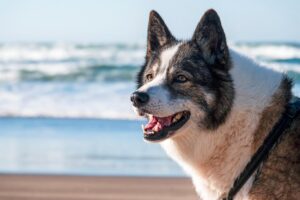
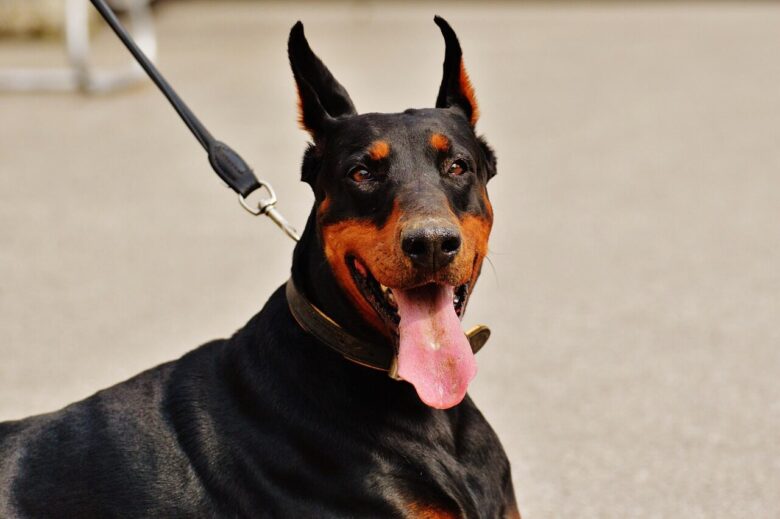
Leash pulling usually continues for a simple reason: it works. Tension helps the dog move toward smells, people, other dogs, movement, or an exciting destination. Even when the person holding the leash is frustrated, the dog may be learning that pulling makes the walk progress.
Stronger equipment, a shorter leash, or repeated corrections may provide temporary control, but they do not automatically teach a dog what to do instead. Lasting improvement comes from changing the pattern: a loose leash allows access to movement and exploration, while a tight leash pauses that access.
Pulling is not necessarily stubbornness. It may reflect excitement, limited practice, frustration, fear, excess energy, physical discomfort, or confusion about what leash pressure means. The practical goal is not to make the dog march beside your leg for an entire walk. It is to allow safe sniffing and natural movement without constant tension.
Important safety note: speak with a licensed veterinarian or qualified reward-based trainer if your dog lunges aggressively, panics outdoors, coughs or gags when pulling, reacts painfully to equipment, has a history of neck injury, or is strong enough to make you fall. Stop the walk and seek prompt veterinary advice for coughing, pain, limping, or a sudden behavior change. Difficulty breathing, collapse, or pale or blue-tinged gums requires immediate emergency veterinary care.
Why Dogs Pull—and Why the Habit Persists
A dog may pull to reach an obvious reward, such as another dog, or a subtle one, such as getting one step closer to a smell. The pattern builds quickly: the dog tightens the leash, the person keeps walking because stopping is inconvenient, and forward movement rewards the tension.
Equipment can reduce the force a person feels, but equipment alone does not teach the dog to choose a loose leash. Training works by making the desired choice clear and worthwhile.
| Likely Reason for Pulling | What You May See | Useful Response |
|---|---|---|
| Excitement | The dog rushes ahead as soon as the walk begins. | Start with brief, calm practice near home before going farther. |
| Environmental rewards | The dog pulls toward grass, trees, people, or other dogs. | Reinforce loose-leash steps before allowing access when it is safe. |
| Fear or reactivity | The dog barks, lunges, freezes, scans constantly, or tries to escape. | Create distance rather than forcing an approach, and seek professional help when needed. |
| High energy or arousal | Pulling is hardest after the dog has been indoors for hours. | Use appropriate play, sniffing, or a food puzzle before a training walk. |
| No consistent rule | The dog pulls successfully on some walks but is stopped on others. | Use the same loose-leash rule across walks and handlers. |
Consistency matters because behavior that works occasionally is still worth trying. That does not mean standing still in traffic or another unsafe location; move to safety first. During ordinary practice, however, avoid letting leash tension become the routine way to reach rewards.
Choose Equipment for Safety and Control
The best setup gives the handler control without causing choking, pain, panic, rubbing, or restricted movement. For many dogs, a well-fitted Y-shaped harness allows comfortable shoulder movement. A front attachment or dual-clip design may also reduce a strong dog’s forward leverage while training is underway.
A flat collar may be suitable for a dog that already walks calmly, but it is less appropriate for a dog that throws their weight forward. Repeated neck pressure can be uncomfortable, and sudden lunges are a particular concern for puppies, small breeds, senior dogs, and dogs with neck or breathing problems.
Head halters can help a person manage a large, strong dog, but they require gradual conditioning. The dog should learn to place their nose into the halter willingly before it is used on a distracting walk. Never jerk a leash attached to a head halter, because that can turn the dog’s head sharply.
| Equipment | When It May Help | Important Caution |
|---|---|---|
| Front-clip harness | May help guide a dog that pulls forward with body strength. | It must fit correctly and should not rub behind the front legs or restrict movement. |
| Back-clip harness | Can be comfortable for calm dogs and casual walks. | It may give a strong puller more leverage. |
| Dual-clip harness | Provides front and back attachment options for guidance and comfort. | Leash handling must prevent tangling around the dog’s legs. |
| Flat collar | May be suitable for a dog that already walks without significant tension. | It is not ideal for hard pullers or dogs with neck sensitivity. |
| Head halter | Can provide additional management for a large or strong dog. | It needs slow introduction and gentle handling; the leash must not be jerked. |
| Retractable leash | May provide freedom in an open, controlled area where its use is safe and permitted. | It usually makes loose-leash training harder because the dog experiences changing tension and may learn to pull for more distance. |
- Check that the harness or collar is snug and secure without restricting breathing or normal movement.
- Watch for rubbing, limping, shortened steps, reluctance to move, or avoidance when the equipment appears.
- Use a leash that is comfortable to hold, and do not wrap it around your hand.
- Test a new setup indoors or in a secure, quiet area before using it around traffic or other distractions.
- Treat equipment as a management aid, not a replacement for training.
Leash length also affects training. A very short leash can create nearly constant tension, while a very long leash lets the dog build speed before reaching the end. A standard leash of about six feet often provides enough room to sniff while keeping communication manageable.
Teach the Core Rule: Loose Leash Moves, Tight Leash Pauses
The central lesson is straightforward: the walk continues while the leash is relaxed, and forward progress pauses when the leash becomes tight. Apply the rule calmly. Yelling, leash jerks, and dragging the dog backward can add pain or frustration without explaining the behavior you want.
A dog that has pulled for months or years may not understand the change in one session. At first, measure progress by moments of slack and attention rather than distance traveled.
-
Begin somewhere easy.
Practice in the house, yard, hallway, driveway, or on a quiet street. The dog should learn the pattern before being expected to use it around traffic, unfamiliar dogs, and compelling smells.
-
Reward before the dog reaches the end of the leash.
Mark and reward the dog for standing or moving near you while the leash is loose. Early reinforcement prevents the dog from practicing the mistake first.
-
Stop when tension appears.
Stand still without pulling backward. Tight leash pressure should make forward progress pause, not make the walk frightening or painful.
-
Notice the first release of pressure.
The dog may step back, turn their head, or shift their weight enough to soften the leash. Mark that moment with a consistent word such as “yes,” then move forward again.
-
Change direction when standing still is not helping.
If the dog continues leaning into the leash or becomes increasingly frustrated, make a calm turn and walk the other way. Reward the dog for following before the leash tightens again.
-
Use access to the environment as a reward.
If the dog wants to sniff a tree, ask for a few loose-leash steps and then release them to sniff. The dog learns that polite movement—not dragging the handler—opens access to interesting places.
-
Finish before either of you becomes frustrated.
A few minutes of clear practice can teach more than a long walk dominated by pulling. Exercise and toilet needs still matter, so use appropriate play, sniffing opportunities, or a safer low-pressure outing in addition to short training sessions.
Handler timing is often the hardest part. If forward movement continues for several steps after the leash tightens, the feedback becomes unclear. Rewarding slack promptly and pausing consistently makes the lesson easier to understand.
Build Focus and Reward the Right Moments
A dog that cannot reconnect with you in a quiet room is unlikely to do so on a busy sidewalk. Focus does not mean continuous eye contact. It means the dog can respond to their name, notice a change of direction, slow down, or check in before rushing toward the next distraction.
To teach a voluntary check-in, begin without calling or repeatedly cueing the dog. When the dog naturally looks toward you, mark the moment and reward. Frequent, easy repetitions help attention become part of the walking pattern.
- Practice responding to the dog’s name indoors before expecting the response outside.
- Reward the dog for turning with you instead of waiting for the leash to pull them around.
- Practice brief pauses before crossing streets or approaching an exciting smell.
- Start a new route only after the dog can manage a few relaxed steps in the easier area.
- Lower the difficulty if the dog cannot eat, sniff, or respond in the current environment.
A dog refusing treats outdoors is not necessarily being difficult. The setting may be too stressful or exciting, the reward may not be valuable enough, or the dog may already be overaroused. Move farther from the distraction, practice at a quieter time, or return to an easier location. Persistent appetite changes in and out of training warrant a call to a veterinarian.
Fade food gradually rather than stopping it abruptly
Treats provide fast, precise feedback while a dog is learning. Reward frequently in the first sessions, especially before pulling begins. As the behavior becomes reliable, reduce food gradually and less predictably while continuing to use praise, movement, sniffing, and access to preferred areas.
| Training Stage | How to Reinforce | Immediate Goal |
|---|---|---|
| First sessions | Reward frequent moments of slack, attention, and calm movement. | Make the new walking rule clear. |
| Early improvement | Reward every few successful steps or useful check-ins. | Build a repeatable pattern. |
| Moderate distractions | Reinforce before and after passing the distraction. | Prevent pulling rather than reacting after it starts. |
| Reliable walking | Use occasional treats along with praise, sniffing, and forward movement. | Maintain the behavior in daily life. |
Removing rewards too quickly is a common reason pulling returns. The environment continues to offer powerful rewards, so the dog still benefits from occasional reinforcement for making a good choice. A reward does not always have to be food: permission to sniff, explore a patch of grass, follow a preferred direction briefly, or greet appropriately can be valuable when those activities are safe.
Manage Distractions Before the Leash Tightens
Many dogs walk comfortably on a quiet route but pull toward another dog, a squirrel, a runner, a car, or a crowded corner. This does not mean the earlier training failed. It means the new setting is more difficult.
Distance is one of the most useful tools. If the dog cannot remain responsive near a distraction, move farther away. Increasing distance is not giving in; it creates conditions in which the dog can notice the trigger without immediately lunging or pulling.
-
Scan ahead.
Notice approaching people, animals, cyclists, and narrow spaces before the dog reaches the end of the leash.
-
Create distance early.
Cross the street, turn around, step behind a visual barrier, or choose a wider path before tension appears. Do not place yourself or the dog in traffic to create distance.
-
Reward calm noticing.
If the dog sees the distraction while the leash remains loose, mark and reward immediately. Waiting until the dog is already lunging makes learning much harder.
-
Keep moving when stationary cues add frustration.
Some dogs become more tense when asked to sit and stare at an exciting trigger. A calm U-turn or simple movement pattern may work better.
-
Do not let pulling produce a rushed greeting.
If pulling repeatedly leads to another dog or person, it is reinforced. Allow an appropriate greeting only when both parties are comfortable and the approach can remain controlled. Not every dog needs or wants on-leash greetings.
If the dog barks, growls, lunges, freezes, tries to escape, or cannot recover after the trigger passes, prioritize safety and distance rather than attempting to force the dog through the situation.
Setbacks That Keep Pulling in the Routine
Loose-leash training is often undermined by ordinary habits rather than a lack of effort. Watch for these patterns:
- Allowing pulling when you are in a hurry: reaching the park or favorite tree still rewards the behavior. Use a shorter route or pause and reset when it is safe.
- Walking too far during training: if most of a long walk involves tension, the dog is getting extensive practice pulling. Shorter, clearer sessions are usually more productive.
- Using a retractable leash for loose-leash lessons: changing tension can teach the dog that pulling produces additional distance. A standard leash gives clearer feedback.
- Repeating cues continuously: a word loses usefulness when it is repeated without a clear response or consequence. Use fewer cues and reward promptly.
- Jerking the leash: a correction may interrupt behavior temporarily, but it can also cause discomfort, frustration, or negative associations with nearby people, dogs, or traffic.
- Relying on exhaustion: exercise may reduce pulling temporarily, but fatigue does not teach leash manners. The dog still needs to learn what makes forward movement continue.
- Training only in difficult settings: a dog that starts every lesson already overwhelmed has little chance to rehearse the desired behavior.
- Using different rules with different handlers: dogs can learn person-specific patterns. Everyone who walks the dog should use compatible equipment, cues, and responses to tension.
Think of a walk as a series of small repetitions. Each relaxed step rehearses one habit, and each step taken under tension rehearses another.
When Pulling Involves Fear, Reactivity, or Overarousal
Some dogs pull because they are curious and eager. Others are trying to approach, avoid, or control something they find overwhelming. Barking, growling, lunging, stiff posture, a tucked tail, frantic scanning, freezing, refusing food, or trying to escape suggests that ordinary leash practice may not be enough.
Lower the difficulty rather than applying stricter physical control. This may mean walking at quieter times, choosing wider routes, avoiding narrow sidewalks, skipping on-leash greetings, and maintaining more distance from triggers.
- Do not move closer until the dog can notice the trigger without lunging or panicking.
- Choose a distance where the dog can still eat, sniff, move normally, or respond to a familiar cue.
- Provide recovery time after a stressful encounter rather than immediately adding another challenge.
- Do not force contact with unfamiliar dogs or people.
- Leave the area if the dog’s behavior is escalating or safe handling is becoming difficult.
Punishment may suppress warning behavior without resolving the underlying distress, and painful or startling corrections can create additional negative associations. A safer plan uses distance, gradual exposure at a manageable level, reinforcement of calm behavior, and professional guidance when needed.
Maintain Loose-Leash Skills in Daily Life
Long-term improvement requires maintenance. Once the dog succeeds in an easy location, add harder environments gradually. Moving directly from a quiet street to a crowded market asks for a large jump in difficulty, so lower expectations and increase reinforcement whenever the setting changes.
It can also help to separate training from exercise. A training walk may be brief and structured. An exercise or decompression outing may include more sniffing, play, or a long line attached to suitable equipment in a safe open area away from traffic and crowds. The goal is to meet the dog’s needs without rehearsing constant leash tension.
-
Continue rewarding useful check-ins.
Even an experienced dog benefits from occasional reinforcement for looking back, slowing down, or choosing a loose leash near a distraction.
-
Build sniffing into the walk.
Ask for a manageable stretch of polite walking, then release the dog to sniff. This keeps the walk rewarding without allowing the dog to drag the handler to every smell.
-
Lower expectations in new places.
New smells, surfaces, sounds, and movement can temporarily reduce reliability. Begin with easier criteria and build back up.
-
Prepare rather than repeatedly testing the dog.
Practice turns, check-ins, and loose-leash steps before entering a challenging area instead of waiting to see whether the dog fails.
-
Refresh the basics when pulling returns.
Use shorter routes, quieter locations, and more frequent rewards for several sessions. A setback does not require harsher equipment or corrections.
A useful measure of progress is not whether the dog stops noticing the environment. It is whether the dog can notice something interesting and reconnect with the handler without hitting the end of the leash.
When to Ask for Professional Help
Seek help when pulling creates a fall risk, the dog is too strong to manage safely, or the behavior includes aggression, repeated lunging, panic, or an inability to recover after triggers. A qualified reward-based trainer can help adjust the environment, handling plan, and training difficulty.
Look for a trainer who clearly explains the methods being used, coaches the person as well as the dog, permits observation, and does not rely on intimidation, dominance claims, leash jerks, shock collars, or fear-based handling.
A licensed veterinarian should be involved if the dog coughs or gags during walks, limps, appears painful, suddenly starts pulling or panicking, or reacts strongly when equipment touches the neck, chest, back, or shoulders. These signs should not be treated as a simple training problem without veterinary input.
| Warning Sign | Why It Matters | Appropriate Next Step |
|---|---|---|
| Lunging with barking or growling | Fear, frustration, or reactivity may be contributing to the behavior. | Create distance and consult a qualified reward-based trainer or veterinary behavior professional. |
| Coughing or gagging during walks | Continuing neck pressure could worsen discomfort. | Stop the activity and contact a veterinarian. |
| The handler cannot safely hold the dog | The current walking plan poses an injury or escape risk. | Get trainer guidance and an appropriate equipment fitting before continuing in difficult areas. |
| The dog cannot eat, sniff, or respond outdoors | The environment may be too stressful or stimulating for productive training. | Lower the difficulty and seek behavior support if the problem persists. |
| Sudden pulling, panic, limping, or pain | A new physical or behavioral concern needs assessment. | Contact a veterinarian before treating it solely as a training issue. |
| Difficulty breathing, collapse, or pale or blue-tinged gums | This may be an emergency. | Seek immediate emergency veterinary care. |
The Practical Takeaway
Loose-leash walking improves when the dog receives one understandable pattern: slack allows safe movement and access, while tension pauses forward progress. Comfortable equipment, good timing, meaningful rewards, and manageable training locations support that lesson.
Progress is rarely perfectly linear. Start where the dog can succeed, prevent pulling from repeatedly reaching rewards, increase distractions gradually, and return to easier practice after a setback. If pain, breathing problems, panic, aggression, or unsafe strength is involved, veterinary or qualified behavior support should take priority.
Leash-Walking Troubleshooting Map
Use the dog’s current response to choose the next step, rather than adding force or repeating cues. Keep practice brief, consistent, and easy enough for the leash to become loose again.
- When the dog rushes ahead as the walk begins: Start with brief, calm practice near home. Reward slack and attention before the dog reaches the leash’s end.
- When the leash tightens toward a smell or destination: Stop forward movement without pulling backward. Mark the first release of pressure, move again, and allow safe sniffing after a few loose-leash steps.
- When standing still leads to more leaning or frustration: Make a calm turn and walk the other way, rewarding the dog for following before tension returns.
- When another dog, runner, car, or crowded corner overwhelms the dog: Create distance early, reward calm noticing, and use a U-turn or wider route. If the dog lunges, panics, or cannot recover, prioritize safety and qualified reward-based help.
Common Questions
Can leash pulling be stopped permanently?
Many dogs can develop reliable loose-leash habits, but no method removes the need for maintenance. Pulling may return when it is occasionally rewarded or when the dog enters a much more exciting environment. Continue reinforcing good choices and briefly refresh the basics when needed.
How long does loose-leash training take?
The timeline depends on the dog’s history, age, environment, emotional state, and opportunities to practice. Some dogs improve quickly in quiet places, while a dog with years of pulling or significant reactivity may need weeks or longer. Short, frequent sessions are generally more useful than occasional long struggles.
Can an older dog learn to walk without pulling?
Yes. Older dogs can learn new walking patterns, although a long history of pulling may require patience and consistent handling. Keep sessions appropriate for the dog’s stamina, check equipment fit carefully, and consult a veterinarian if stiffness, coughing, pain, or a sudden behavior change is present.
Why does my dog walk well with a trainer but not with me?
Dogs may respond differently to each handler’s timing, leash use, reward placement, and consistency. Ask the trainer to coach your handling rather than only demonstrating with the dog. Practice the same skills in an easy setting and make sure everyone walking the dog follows compatible rules.
Editorial note: this article provides general education about humane, reward-based leash training. It does not replace individualized advice from a licensed veterinarian or qualified behavior professional when a dog shows pain, breathing trouble, aggression, panic, or unsafe pulling strength.
Sources and Further Reading
- American Veterinary Society of Animal Behavior — Humane Dog Training Position Statement
- American Animal Hospital Association — Canine and Feline Behavior Management Guidelines
- RSPCA — Dog Training Advice
- American Kennel Club — Teaching Dogs to Walk on a Leash

The PinupGeek Editorial Team researches and edits practical pet-care, hygiene, and behavior guides using reputable veterinary organizations, public agencies, animal-welfare groups, and primary or reference sources where appropriate. Our content is educational and does not replace diagnosis, treatment, or individualized advice from a licensed veterinarian. Articles may be updated when guidance or source information changes.