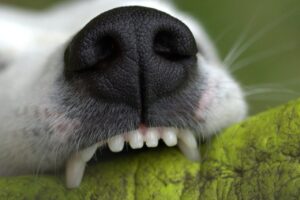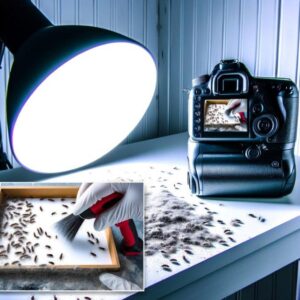

Shedding is usually a normal part of a dog’s or cat’s coat cycle, not a problem that should be attacked with strong chemicals, harsh shampoos, or miracle supplements. Loose hair may become more noticeable during seasonal changes, after stress or diet changes, or when brushing has been inconsistent.
The aim is not to stop shedding completely. Healthy pets naturally lose old or damaged hair as new hair grows. A safer approach removes loose hair before it spreads around the home, supports healthy skin, and avoids products or grooming methods that can cause irritation or conceal a medical problem.
Regular brushing, occasional species-appropriate bathing, balanced nutrition, hydration, and practical cleaning can make normal shedding easier to manage. Just as important is knowing when a coat change calls for veterinary care rather than another grooming product.
Important safety note: contact a licensed veterinarian if your pet has bald patches, red or painful skin, persistent itching, sores, parasites, a strong odor, sudden heavy shedding, or changes in appetite, energy, weight, thirst, or behavior. These signs can be associated with allergies, parasites, infection, pain, nutrition, stress, hormonal conditions, or other health issues. Seek urgent veterinary help for a suspected product reaction involving vomiting, drooling, tremors, breathing difficulty, collapse, or other severe symptoms.
Start by distinguishing normal shedding from a coat problem
Shedding occurs when old or damaged hair leaves the coat and new hair grows in its place. Dogs and cats with undercoats may shed heavily during seasonal transitions. Many indoor pets shed at a lower level throughout the year because indoor lighting and temperatures remain relatively stable.
More hair on the floor does not necessarily mean a pet needs a stronger shampoo or chemical de-shedding treatment. Regular brushing with the correct tool is often the most useful first step. It removes hair that is already loose, helps prevent tangles, spreads natural skin oils, and creates an opportunity to notice fleas, ticks, bumps, dryness, or irritation.
Harsh products may leave a coat feeling temporarily clean, but they can also dry the skin, leave residue, increase itching, or make a sensitive pet uncomfortable. A better question than “How can I stop shedding?” is “How can I manage loose hair without harming the skin or overlooking a health change?”
| What you notice | What it may mean | Reasonable first step |
|---|---|---|
| More hair during spring or fall | A seasonal coat change, especially in double-coated pets | Increase brushing frequency and remove loose undercoat gently |
| Loose hair throughout the year | Normal indoor shedding or a breed-related coat pattern | Maintain a steady weekly grooming routine |
| Hair accompanied by flakes or greasy skin | Possible irritation, skin imbalance, or health issue | Use gentle grooming and contact a veterinarian if it persists |
| Bald spots or broken hair | Possible over-grooming, parasites, allergy, friction, or disease | Avoid random treatments and seek veterinary guidance |
| Sudden heavy shedding after stress or a routine change | A stress response, coat-cycle shift, illness, travel, or environmental change | Watch for other symptoms and keep grooming calm and consistent |
Build a short, consistent brushing routine
Many people wait until loose hair becomes overwhelming and then try to remove it in one long session. Brushing too hard after weeks without grooming can pull the coat, irritate the skin, and make a pet resist the brush next time.
Shorter sessions performed more often are usually easier on the pet. A smooth, short-coated animal may need only a few minutes several times a week. Long-haired, curly, or double-coated pets may need daily attention during heavy shedding or mat-prone periods. The goal is to collect hair that is already loose, not force out healthy hair.
Choose a quiet place, use light pressure, and stop before the pet becomes distressed. If the brush fills quickly, clean it rather than pressing harder. Growling, swatting, hiding, repeated attempts to escape, flinching, or sudden sensitivity may indicate fear or discomfort and should not be handled by force.
-
Check the skin first.
Part the coat in several areas and look for redness, scabs, swelling, fleas, ticks, dandruff, wounds, or painful spots. Do not brush directly over damaged or inflamed skin.
-
Select a tool for the coat type.
A rubber grooming glove may suit a smooth coat, while some medium or long coats benefit from a pin brush, slicker brush, or long-toothed comb. A tool that works well for one coat can scratch or pull another.
-
Work in small sections.
Use gentle strokes in the direction of hair growth. Check common tangle areas such as behind the ears, under the legs, around the groin, across the belly, and on the back legs.
-
Do not force the coat.
Loose hair should come away without hard pulling. Strong resistance may mean the coat is tangled, the tool is unsuitable, or professional help is needed.
-
Keep the experience predictable.
Use calm praise, breaks, or a small pet-appropriate treat. Several comfortable sessions are better than one prolonged session that creates fear.
-
Clean grooming tools.
Remove accumulated hair and debris after each session. Follow the tool manufacturer’s cleaning instructions so residue is not rubbed back into the coat.
-
Watch the trend.
Over the next two or three weeks, note whether loose hair around the home decreases and whether the skin remains comfortable. Contact a veterinarian if shedding worsens or new skin or behavior symptoms appear.
Match the brush to the coat
Short, long, curly, wire, and double coats release hair differently. Tool choice and pressure therefore matter more than buying a product labeled “de-shedding.” Brushing should feel like routine maintenance, not scraping or cutting.
For smooth coats, a rubber glove or soft bristle brush can lift loose hair without repeatedly scraping the skin. Medium coats may benefit from a pin brush or comb. A long-toothed comb can find tangles in long coats, while a carefully used undercoat rake may help with a heavy double coat.
Stop if the skin becomes red, the pet flinches, or one area begins to look noticeably thinner. These signs may indicate excessive pressure, repeated brushing in one spot, an unsuitable tool, or an underlying painful area.
| Coat type | Tool that often helps | Main caution |
|---|---|---|
| Short, smooth coat | Rubber grooming glove or soft bristle brush | Avoid scraping the same area repeatedly |
| Medium shedding coat | Pin brush, comb, or medium bristle brush | Check behind the ears and legs for hidden tangles |
| Long, silky coat | Long-toothed comb and gentle slicker brush | Do not brush tight, dry mats aggressively |
| Curly or continuously growing coat | Slicker brush and comb | Regular trimming may be needed in addition to brushing |
| Double coat | Undercoat rake used carefully | Do not shave without professional advice |
| Sensitive skin | Soft brush or grooming glove | Stop if redness, pain, or increased scratching appears |
Handle mats cautiously
Mats can pull on the skin and conceal redness, moisture, parasites, or wounds. Water may tighten them, so check a long coat before bathing. Small, loose tangles may respond to patient combing, but tight mats should not be pulled or cut close to the skin with scissors. Pet skin can be drawn into a mat and injured easily.
A professional groomer can often remove extensive mats with appropriate equipment and handling. Contact a veterinarian when the skin beneath a mat is painful, inflamed, wounded, foul-smelling, or possibly infected, or when the pet cannot tolerate grooming safely.
Bathing without drying or irritating the skin
Bathing can remove dirt, oil, dust, debris, and loose undercoat. It is most useful when the coat is actually dirty, oily, or soiled—not simply because hair is visible around the home. Bathing too often or using the wrong cleanser may dry the skin and make itching, flakes, or coat problems more noticeable.
Use shampoo intended for the correct species. Human shampoo, baby shampoo, dish soap, strongly fragranced products, and household cleaners are not appropriate routine choices for dogs or cats. Cats require particular care because they groom by licking and may ingest residue left on the coat. Many cats do not need routine baths unless they are soiled, cannot groom themselves effectively, or have a veterinarian-directed care plan.
Brush out loose hair and manageable tangles before the bath. Use lukewarm water, protect the eyes and ears, rinse thoroughly, and dry the pet in a calm, warm place. Shampoo residue can contribute to itching, licking, or discomfort.
- Use shampoo labeled for the pet’s species.
- Read and follow the product directions rather than adding extra shampoo.
- Brush out loose hair and minor tangles before bathing.
- Use lukewarm water instead of very hot or cold water.
- Keep shampoo away from the eyes, ears, nose, and mouth.
- Rinse until no residue remains in the coat.
- Stop using the product if redness, itching, or unusual behavior develops.
A recurring odor deserves attention. Although dirty fur can smell, odor that returns quickly after bathing may be associated with a skin or ear problem, dental disease, allergies, or another condition that shampoo will not resolve. Ask a veterinarian rather than repeatedly bathing the pet.
Be skeptical of “natural” and fast-acting shedding products
A natural label does not guarantee that a product is safe. Plant-based ingredients, concentrated essential oils, fragrances, and homemade mixtures can irritate skin or be risky when inhaled, absorbed, or licked from the coat. Cats can be especially vulnerable to some substances.
Approach products cautiously if they claim to stop shedding immediately, detox the skin, cure allergies, eliminate all dander, or replace veterinary care. Shedding is a normal biological process, so absolute promises are not realistic for most healthy pets.
Flea shampoos, medicated shampoos, antifungal products, antibacterial sprays, and supplements may have appropriate uses, but they should not be added casually to a grooming routine. The product needs to be suitable for the animal’s species, size, health status, and actual condition. Combining several products also makes it harder to identify what caused a reaction.
- Avoid essential oils unless a veterinarian has specifically confirmed that the product and intended use are appropriate for your pet.
- Do not use human shampoos, baby shampoos, dish soaps, or household cleaners for routine bathing.
- Avoid heavy fragrances, coat perfumes, and deodorizing sprays.
- Do not press harsh de-shedding blades repeatedly against the skin.
- Be cautious with supplements that promise to cure shedding, allergies, bald spots, or skin disease.
- Do not combine multiple skin treatments without professional guidance.
- Do not shave a double-coated pet solely to stop shedding without consulting a groomer or veterinarian.
If a newly applied product causes redness or itching, discontinue it and contact a veterinarian for guidance. Vomiting, drooling, tremors, weakness, breathing difficulty, collapse, or other severe signs after exposure require urgent veterinary attention. Keep the product container or ingredient list available so the veterinary team knows what was used.
Support the coat with appropriate food and hydration
A dull coat, dry skin, or unusual shedding can sometimes accompany poor diet quality, abrupt food changes, digestive problems, allergies, parasites, or illness. This does not mean every shedding pet needs a supplement. It means nutrition and overall health should be considered alongside grooming.
Feed a complete and balanced diet appropriate for the pet’s species, life stage, size, and health needs, and keep fresh water available. If a pet already receives a suitable diet, adding random oils, powders, or capsules may provide no benefit and can cause digestive upset or create an imbalance.
Veterinarians may recommend omega fatty acids for certain skin and coat concerns, but the appropriate product and amount depend on the individual animal. Ask before adding supplements, particularly for cats, puppies, kittens, senior pets, pregnant animals, or pets with kidney, liver, pancreatic, or digestive conditions.
| Support area | Practical approach | What to avoid |
|---|---|---|
| Daily diet | Use a complete food suitable for the pet’s life stage | Frequent changes without a clear reason |
| Hydration | Keep clean water available and notice major intake changes | Assuming dry skin can always be fixed with added oil |
| Supplements | Ask a veterinarian before adding skin and coat products | Products claiming to cure allergies, bald spots, or disease |
| Treats | Keep portions moderate and consistent | Replacing balanced meals with snacks or unbalanced homemade mixes |
| Possible food sensitivity | Discuss symptoms before beginning a diet trial | Changing foods every few days and losing track of reactions |
Reduce loose hair around the home
Even an excellent grooming routine will not eliminate normal shedding. Household cleaning prevents loose hair from building up in bedding, fabrics, corners, vents, and clothing, making the coat cycle easier to live with without applying anything to the pet.
Wash pet bedding regularly and vacuum the places where the pet rests. Washable covers can protect favorite furniture. A damp microfiber cloth often collects hair from hard surfaces more effectively than dry dusting, which may move hair into the air. Reusable lint brushes and damp rubber gloves can lift hair from clothing and upholstery without coat sprays.
Check under furniture, behind doors, around baseboards, and near vents, where hair and dander collect. Brushing in an easy-to-clean area can also keep newly removed hair from traveling through the home.
Know when grooming is not enough
Normal shedding is generally distributed across the coat. A medical concern is more likely when hair loss is sudden, uneven, patchy, itchy, greasy, flaky, painful, or accompanied by inflamed skin or behavior changes. Do not conceal these signs with deodorizing sprays or randomly selected medicated shampoos.
Warning signs in dogs can include bald patches, hot spots, strong odor, scabs, persistent dandruff, excessive paw licking, or recurring ear problems. In cats, watch for over-grooming of the belly or legs, missing hair, greasy fur, a sudden increase in hairballs, or difficulty grooming because of pain, reduced mobility, or body condition.
Changes in appetite, weight, thirst, energy, sleep, sociability, or grooming behavior also matter. Contact a licensed veterinarian when shedding is clearly different from the pet’s usual pattern or appears alongside these symptoms. A veterinarian can evaluate possible parasites, allergies, infection, pain, hormonal conditions, nutrition problems, or other causes without assuming a diagnosis from the coat alone.
A professional groomer has a different role. Groomers can assist with mats, coat maintenance, trimming, tool selection, and difficult coat handling, but they do not diagnose medical causes of hair loss. In some cases, both services are appropriate: the groomer manages the coat while the veterinarian assesses the skin and the pet’s health.
Seek help sooner for pets that are very young, elderly, pregnant, chronically ill, heavily matted, painful, or highly distressed by handling. Forcing a frightened or uncomfortable pet through a grooming session can lead to bites, scratches, and skin injuries.
A practical baseline routine
For normal shedding, begin with a coat-appropriate brush, a few calm grooming sessions each week, clean bedding, and regular vacuuming. Bathe only when the coat needs it, using a species-appropriate shampoo and thorough rinsing. Keep food and water consistent rather than reaching first for supplements.
Review the skin during every grooming session. If the coat remains even and the pet is comfortable, the routine is doing its job even if some hair still appears around the home. If shedding becomes sudden, patchy, painful, itchy, greasy, or smelly, pause the product experiments and contact a veterinarian.
Questions pet owners often ask
How often should I brush my dog or cat?
Frequency depends on the coat and the individual pet. Short-coated animals may do well with several brief sessions a week, while long, curly, silky, or double coats may need daily attention during heavy shedding or mat-prone periods. Gentle, regular sessions are preferable to infrequent, forceful brushing.
Does bathing reduce shedding?
Bathing can loosen hair and remove dirt or oil, but it does not stop the coat cycle. Excessive bathing or an unsuitable shampoo can dry or irritate the skin. Brush first, use lukewarm water and a species-appropriate product, and rinse thoroughly. Repeated odor, grease, or itching should be discussed with a veterinarian.
Do skin and coat supplements help?
They may be appropriate in specific cases, but they are not a universal solution. A pet already eating a complete and balanced diet may not benefit from additional oils or powders, and supplements can cause digestive upset or other problems. Ask a veterinarian before adding one, especially when shedding is accompanied by skin symptoms.
What should I do about tight mats?
Do not pull them forcefully or cut close to the skin with scissors. Tight mats can be painful and may hide wounds or inflamed skin. A professional groomer can handle many mats safely; contact a veterinarian when the area is painful, red, wet, wounded, foul-smelling, or too sensitive to touch.
Editorial note: this article provides general educational information and does not replace veterinary care. Grooming can reduce loose hair and improve coat maintenance, but sudden shedding, bald spots, itching, pain, odor, wounds, parasites, product reactions, or behavior changes should be assessed by a licensed veterinarian.
Sources and further reading
- VCA Animal Hospitals — Grooming and Coat Care for Your Dog
- VCA Animal Hospitals — Grooming and Coat Care for Your Cat
- ASPCA — Tea Tree Toxicity Information
- U.S. Food and Drug Administration — FDA Regulation of Animal Drugs

The PinupGeek Editorial Team researches and edits practical pet-care, hygiene, and behavior guides using reputable veterinary organizations, public agencies, animal-welfare groups, and primary or reference sources where appropriate. Our content is educational and does not replace diagnosis, treatment, or individualized advice from a licensed veterinarian. Articles may be updated when guidance or source information changes.