Flea control starts with one important fact: the fleas visible on a pet are only part of the problem. Eggs, larvae, pupae, and adults may also be present in bedding, rugs, sofa seams, floor cracks, carriers, and shaded outdoor areas where animals rest.
That is why one bath, spray, or deep-cleaning session rarely resolves an established infestation. A practical lower-exposure approach combines repeated vacuuming, fabric washing, steam cleaning on suitable surfaces, flea combing, environmental sanitation, and species-appropriate veterinary care for every pet in the home.
This approach can reduce reliance on foggers, airborne powders, and broad indoor pesticide applications. It does not mean that every flea problem can be solved through cleaning alone. Pets may still need veterinary-recommended prevention or treatment, and persistent infestations may require a licensed pest professional.
Important safety note: Do not apply essential oils, homemade pesticide mixtures, borax, diatomaceous earth, alcohol, garlic, vinegar sprays, human insect products, or products intended for another animal species directly to a pet. Do not scatter powders where pets or children may inhale, lick, or contact the dust. “Natural” does not mean harmless, especially for cats, puppies, kittens, senior pets, birds, fish, and animals with breathing, skin, or neurological problems.
Why Fleas Can Return After the House Looks Clean
Adult fleas are the easiest stage to notice, but other life stages can remain in protected areas. Eggs may fall from an animal into rugs, bedding, cushions, and floor cracks. Larvae tend to remain around dust, organic debris, fabric fibers, and low-light areas. New adults may therefore appear after the first round of cleaning.
Fleas are often concentrated along a pet’s regular route through the home: sleeping areas, sofas, rugs, crates, doorways, and places where the animal jumps down from furniture. The edges of a room can matter more than its visible center, including baseboards, spaces under furniture, curtain edges, and seams in soft furnishings.
A clean-looking room is not necessarily flea-free. Follow the pet’s routine rather than treating only the place where a person first noticed a flea or bite.
| Possible sign | What it may indicate | First practical action |
|---|---|---|
| Scratching around the tail, neck, or belly | Fleas, flea dirt, or another source of skin irritation | Use a flea comb and contact a veterinarian if itching is intense or the skin is damaged. |
| Small jumping insects on a rug | Adult fleas may be emerging near the floor | Vacuum the rug, floor edges, and nearby pet resting areas slowly and thoroughly. |
| Dark specks in pet bedding | Possible flea dirt or ordinary debris | Inspect the pet and wash the bedding according to its care label. |
| Bites around people’s ankles | Fleas may be active near floors, although bites alone do not confirm the cause | Inspect rugs, baseboards, upholstered furniture, and pet zones. |
| Fleas return after one cleaning | Additional fleas may be emerging or returning on an untreated animal | Repeat environmental cleaning and review every pet’s flea plan with a veterinarian. |
Inspect the Pet’s Main Living Areas First
Before cleaning the entire house, identify the areas most likely to support fleas. Start with the pet’s bed, favorite blanket, sofa spot, rugs, crate, carrier, car-seat cover, and doors leading outside. In a multi-pet home, include the resting and travel areas used by every animal.
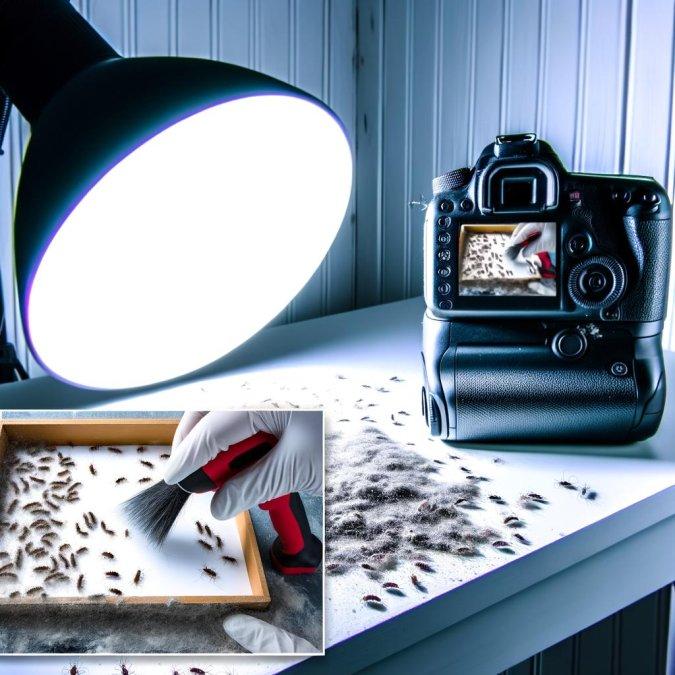
Use a flea comb over a white towel or another light-colored surface. Pay particular attention to the neck, belly, and base of the tail. If you find tiny dark specks, placing them on a damp white paper towel may help with inspection; flea dirt often produces a reddish-brown stain because it contains digested blood. This is a useful clue, not a diagnosis.
Walking through carpeted rooms in white socks may also make jumping fleas easier to spot. It is not a definitive test, so continue checking the pet and the places where the pet spends the most time.
- Check beds, blankets, crates, carriers, soft toys, and favorite resting areas.
- Inspect baseboards, rug edges, sofa seams, floor cracks, and spaces under furniture.
- Check washable sofa covers, pet travel bags, car upholstery, and crate liners.
- Keep a short record of where fleas appear so those locations receive repeated attention.
- Check every pet, even if only one animal is scratching.
- Do not apply a homemade mixture while inspecting or combing the pet.
A Practical Lower-Exposure Flea-Removal Plan
Mechanical removal, heat where appropriate, soap, and repetition form the core of a lower-exposure home plan. Home cleaning and pet care need to happen on the same timeline. Cleaning the carpet while leaving a pet without appropriate flea care—or treating the pet while ignoring bedding and furniture—can allow the cycle to continue.
If a pet moves throughout the house, do not limit cleaning to one room. Begin with high-use areas, then work outward. Keep children and animals away while vacuuming, moving furniture, or steam cleaning, and return them only after surfaces are cool and dry.
-
Coordinate appropriate care for every pet.
Ask a licensed veterinarian what flea treatment or prevention is suitable for each animal’s species, age, weight, health, and lifestyle. Do not split doses, share products between animals, or use a dog product on a cat unless a veterinarian has specifically confirmed that it is safe.
-
Vacuum slowly and thoroughly.
Vacuum carpets, rugs, floor edges, cracks, cushions, sofa seams, and spaces under furniture. Use attachments for upholstery and baseboards. During active signs of fleas, daily vacuuming of the highest-risk areas can be helpful if practical; otherwise, prioritize pet sleeping and resting zones as often as you can manage consistently.
-
Dispose of vacuum contents promptly.
After each session, empty the canister or remove the bag. Seal the contents in a trash bag and place it outside the living area. Clean reusable vacuum parts according to the manufacturer’s instructions.
-
Wash exposed fabrics.
Wash pet bedding, blankets, sheets where pets sleep, washable covers, crate mats, and suitable soft toys in hot, soapy water when their care labels allow it. Dry everything thoroughly. Carry exposed textiles directly to the laundry area rather than moving them through clean rooms or placing them on other furniture.
-
Steam clean compatible surfaces.
Steam cleaning can add heat to carpets and upholstery that tolerate it. Test delicate materials first, follow the equipment and fabric instructions, and avoid over-wetting. Excess moisture can damage furnishings or create a separate moisture problem.
-
Use a flea comb.
Comb gently and place captured fleas into a container of warm, soapy water. Stop if the animal becomes distressed or the skin looks painful. Flea combing removes some adult fleas but does not provide lasting protection or replace veterinary care.
-
Clean accessories and travel areas.
Check harnesses, non-medicated collars, soft toys, carriers, crate mats, pet blankets, and car upholstery. Follow each item’s care directions. Do not wash a medicated collar or other flea product unless its label specifically permits it.
-
Repeat rather than relying on one intensive session.
Additional fleas may emerge after the first cleaning. Continue inspecting pets, vacuuming high-risk areas, and washing exposed bedding while the problem remains active. If signs are not improving, seek professional help rather than escalating to unlabelled powders or homemade mixtures.
Which Cleaning Method to Use Where
Each method has a different role. Vacuuming removes fleas and debris from floors and furniture, washing cleans exposed textiles, steam supplies heat to compatible surfaces, and combing removes adult fleas from an animal. These methods are most useful when combined.
| Method | Best use | Important caution |
|---|---|---|
| Vacuuming | Carpets, rugs, floor cracks, sofa edges, baseboards, and areas under furniture | Empty the vacuum outside the living area after each session. |
| Hot washing | Pet bedding, blankets, washable covers, sheets, crate mats, and suitable toys | Use hot water or high dryer heat only when the fabric label allows it. |
| Steam cleaning | Carpets and upholstery made to tolerate heat and moisture | Avoid delicate materials and over-wetting; let the area dry completely. |
| Flea combing | Finding and removing adult fleas from pets | Comb gently and seek veterinary advice for wounds, allergies, or severe itching. |
| Decluttering | Reducing protected areas around floors and pet zones | Do not move exposed fabric or bedding into a clean room before washing it. |
| Outdoor sanitation | Shaded resting spots, kennels, porches, and yard edges used by animals | Focus on likely animal resting areas rather than treating the entire yard unnecessarily. |
Give Pet Beds, Furniture, Crates, and Cars Extra Attention
Pet areas often sit near the center of an infestation. If a bed has a removable cover, wash it according to the care label and clean the floor underneath. Flea eggs and debris can pass through fabric seams and collect below the cushion. Replacing an old, torn, or heavily exposed bed may be more practical when it cannot be cleaned safely.
If a pet sleeps on a human bed or sofa, include those areas in the cleaning plan. Wash exposed sheets, blankets, and covers when possible. Vacuum mattress edges, sofa seams, cushion gaps, and the floor below. Use a suitable attachment on delicate upholstery and avoid adding moisture unless the material can tolerate it.
Keep bedding manageable during active flea signs
Use washable covers and avoid leaving multiple layers of blankets on the floor. Put clean bedding back only after the bed frame, crate, surrounding floor, and wall edges have been cleaned. Continue the routine while fleas are still being found.
Crates, carriers, and vehicles
Remove washable mats, towels, and liners. Clean hard carrier and crate surfaces with mild soap and water, then let them dry completely. Vacuum car-seat seams, floor mats, cargo areas, and any blanket used during travel. Check the manufacturer’s instructions before washing or disinfecting pet equipment.
“Natural” Flea Remedies That Can Create New Risks
Some widely shared remedies sound safer because they are described as natural. That description does not establish that they are effective or safe for a particular pet, child, surface, or indoor environment.
Essential oils: Tea tree, peppermint, citrus, eucalyptus, pennyroyal, and similar oils may irritate or harm pets, with cats being especially vulnerable to many concentrated oils. Animals may inhale the product, absorb it through their skin, or ingest it while grooming. Do not apply essential oils to pets or diffuse them as a flea treatment without veterinary guidance.
Vinegar and scented sprays: Vinegar, lemon, and other strong-smelling sprays do not address flea life stages hidden throughout carpets, bedding, and furniture. They can irritate skin or airways, damage some surfaces, and create a false sense that the infestation has been treated.
Diatomaceous earth, borax, and other powders: Fine dust can irritate the eyes and respiratory tract during application, ordinary household activity, or cleanup. A “food-grade” description does not make airborne diatomaceous earth harmless. Do not rub powders into a pet or scatter them on pet beds, carpets, or floors where animals or children may inhale, lick, or contact the dust.
If you are considering a pesticide powder or spray, use only a product labelled for the intended animal or location and follow every direction, restriction, ventilation instruction, and re-entry time. Ask a veterinarian or qualified pest professional when the label is unclear or the household includes children, birds, fish, sensitive people, or medically vulnerable animals.
- Do not apply essential oils directly to pets.
- Do not substitute a dog flea product for one intended for cats.
- Do not mix bleach, alcohol, cleaners, or insect products in homemade recipes.
- Do not spread diatomaceous earth, borax, or similar dust where it can be inhaled or licked.
- Do not use a fogger or indoor pesticide spray without following the complete label.
- Do not assume a strong scent repels or eliminates every flea life stage.
Outdoor Areas That May Reintroduce Fleas
Pets can encounter fleas in protected outdoor areas, particularly where pets, stray animals, rodents, or wildlife rest. Shaded, sheltered locations generally deserve more attention than hot, dry spaces exposed to direct sunlight.
Begin with sanitation rather than treating the whole yard. Remove leaf piles, discarded fabric, old pet bedding, and clutter near porches, kennels, sheds, and crawlspaces. Keep high-use grass trimmed and allow damp resting areas to dry where possible.
Reduce wildlife access without handling wild animals directly. Secure trash, bring pet food indoors after feeding, and safely block access to sheltered nesting areas. If wildlife or rodents are living in or under the building, contact an appropriate professional for safe exclusion.
| Outdoor area | Why it matters | Lower-exposure action |
|---|---|---|
| Shaded pet resting spot | Pets repeatedly return to the same protected location | Wash or replace bedding, remove debris, and keep the area dry. |
| Porch, deck, or crawlspace | Wildlife or stray animals may shelter underneath | Remove food sources and arrange safe exclusion where needed. |
| Outdoor pet house | Fabric, dust, and seams can collect debris | Wash the bedding and clean the structure according to its materials. |
| Leaf piles and yard clutter | Protected debris can provide shelter for pests and animals | Clear piles around pet areas, doors, kennels, and foundations. |
| Trash or outdoor pet food | Food may attract animals that carry fleas | Seal bins and bring bowls and leftover food inside. |
What Commonly Slows Flea Control
- Stopping after the first improvement: New adults may emerge after an initial cleaning. Continue the routine while signs remain.
- Treating only the visible room: A flea may be noticed on a living-room rug even though the pet’s bed, carrier, or sofa spot is the more important area.
- Cleaning the home but not addressing every pet: One animal without suitable care can keep the cycle active.
- Bathing a pet once and assuming the problem is solved: A bath does not remove flea life stages from carpets, bedding, furniture, or outdoor resting areas and offers no ongoing protection.
- Using strong scents instead of physical removal: Vinegar, lemon, and essential-oil odors do not replace vacuuming, washing, combing, and appropriate pet care.
- Forgetting travel items: Car upholstery, carriers, blankets, and travel bags should be included when pets use them regularly.
- Leaving vacuum contents indoors: Empty and seal the contents after each cleaning session.
When to Contact a Veterinarian or Pest Professional
Contact a veterinarian promptly if a pet has open sores, worsening redness, hair loss, severe or nonstop itching, signs of infection, pale gums, weakness, or unusual tiredness. Breathing difficulty, collapse, or severe weakness requires urgent veterinary attention. Very young or small animals with heavy flea exposure also need prompt veterinary guidance.
Ask a veterinarian before selecting flea products for cats, puppies, kittens, pregnant or nursing animals, senior pets, or animals with seizures, allergies, liver problems, breathing conditions, or skin disease. A product suitable for one pet may be unsafe for another, even within the same household.
Consider a licensed pest professional when repeated cleaning is not reducing the infestation, fleas are spreading through multiple rooms, wildlife or rodents may be involved, or carpets and furniture cannot be cleaned safely. Ask which products and methods will be used, what preparation is required, how long people and animals must stay away, and whether non-chemical or lower-toxicity options are suitable.
For people, seek medical advice for bites that appear infected or reactions that are severe or worsening. Trouble breathing or swelling of the face or throat requires emergency medical care.
Preventing Another Infestation
Once flea activity has subsided, continue a realistic maintenance routine. Prevention is easier when it follows the animal’s normal habits rather than trying to clean every room equally.
- Wash pet bedding and exposed blankets on a regular schedule.
- Vacuum the rooms, furniture, and floor edges used most by pets.
- Use a flea comb during routine grooming and investigate new signs promptly.
- Keep crates, carriers, cars, and travel blankets clean.
- Keep outdoor resting areas dry, tidy, and free of old bedding.
- Seal trash and do not leave pet food outside overnight.
- Ask a veterinarian about prevention appropriate for each pet’s species, age, weight, health, and lifestyle.
The most sustainable plan is not the most intensive one. It is the routine your household can repeat: appropriate protection for pets, clean sleeping areas, regular inspection, focused vacuuming, and prompt action when fleas are first noticed.
Questions About Lower-Exposure Flea Control
Can home cleaning replace flea treatment for a pet?
No. Cleaning reduces fleas and developing life stages in the environment, but it does not provide an animal with ongoing protection. A flea comb can remove some adults without addressing the whole problem. Ask a veterinarian about care appropriate for each pet rather than using homemade remedies or sharing products between animals.
How often should I vacuum during an active infestation?
Daily vacuuming of high-risk areas can be helpful when practical. Prioritize pet beds, rugs, sofas, baseboards, floor cracks, and rooms where animals spend the most time. If daily whole-house cleaning is unrealistic, focus on those zones consistently. Empty the vacuum outside the living area after each session.
Do all pets in the home need to be checked?
Yes. Fleas can move between animals, and one pet without appropriate care may keep the problem active. This is especially important in homes with both dogs and cats because some products intended for dogs can be dangerous to cats. Seek veterinary guidance for each animal individually.
Can fleas occur in a home without pets?
They can. Previous pets, rodents, wildlife, stray animals, or an earlier infestation may be involved. Focus on vacuuming, washing exposed fabrics, inspecting protected areas, and safely addressing animal access to porches, crawlspaces, basements, or other sheltered locations.
Why are fleas still appearing after repeated cleaning?
Additional adults may be emerging from protected areas, a pet may need more effective species-appropriate care, or fleas may be returning from travel or outdoor animal activity. Recheck bedding, furniture, carriers, cars, and outdoor resting spots. If the pattern continues or multiple rooms are affected, consult a veterinarian and a licensed pest professional.
Editorial note: This article provides general educational information about lower-exposure household practices. It does not replace veterinary diagnosis or treatment for an animal with skin irritation, illness, heavy flea exposure, or special health risks. Follow the full label whenever using a flea-control product and ask a qualified professional if you are unsure.
Official References
- Centers for Disease Control and Prevention — Getting Rid of Fleas
- U.S. Environmental Protection Agency — Controlling Fleas and Ticks Around Your Home
- National Pesticide Information Center — Pesticide Use Around Pets
Flea-Control Cycle at a Glance
Keep pet care and household cleaning on the same timeline, focusing first on the places every animal sleeps, rests, travels, and moves through most often. Work through these four steps as a repeatable cycle while flea signs remain.
- Inspect every pet with a flea comb over a light-colored surface, then check beds, blankets, rugs, sofa seams, floor edges, cracks, crates, carriers, cars, and shaded outdoor resting areas.
- Coordinate species-appropriate veterinary care for every pet, based on the animal’s age, weight, health, and lifestyle; contact a veterinarian promptly for severe itching, damaged skin, weakness, or other warning signs.
- Vacuum high-risk areas slowly and thoroughly, empty and seal the contents outside the living area, wash exposed fabrics according to their care labels, and steam-clean only compatible surfaces without over-wetting.
- Clean accessories and travel areas, tidy likely outdoor resting spots, and put clean bedding back only after nearby floors, edges, frames, or crates are clean and dry. Repeat inspection, combing, focused vacuuming, and washing while fleas are still found; seek professional help if signs are not improving.

The PinupGeek Editorial Team researches and edits practical pet-care, hygiene, and behavior guides using reputable veterinary organizations, public agencies, animal-welfare groups, and primary or reference sources where appropriate. Our content is educational and does not replace diagnosis, treatment, or individualized advice from a licensed veterinarian. Articles may be updated when guidance or source information changes.