
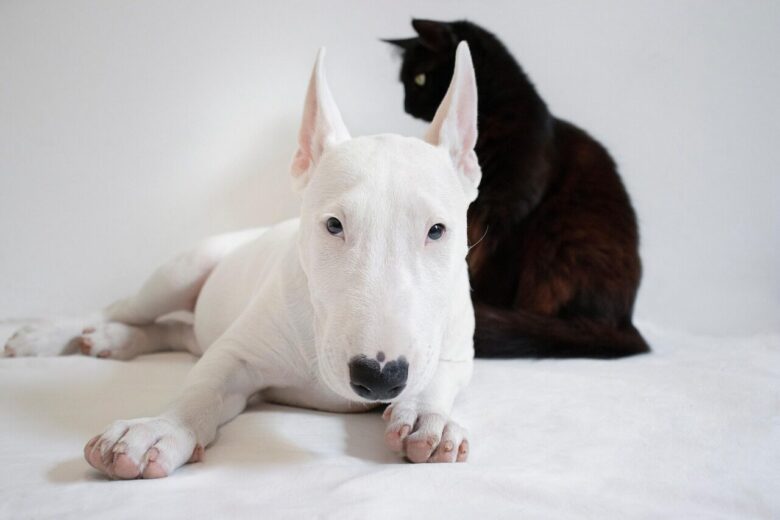
Home care can provide gentle support for some mild dog and cat health issues, but it should not replace veterinary diagnosis or treatment. A single episode of stomach upset, mildly soft stool, dry paws, occasional itching, a hairball, or bad breath may be suitable for brief monitoring when the pet is otherwise alert, able to drink, breathing normally, and behaving much like usual.
The key is to distinguish a minor, short-lived problem from a warning sign. A dog that vomits once after eating too quickly is in a different situation from a cat that vomits repeatedly, refuses food, hides, or seems weak. Even when there appears to be a simple trigger, symptoms can have an underlying medical cause.
Dogs and cats are not small humans. Human pain relievers, cold medicines, essential oils, alcohol-based products, leftover prescriptions, and some products marketed as “natural” can be dangerous to pets. Cats are especially sensitive to many substances because their bodies process certain chemicals differently.
Important safety note: This article provides general educational information and does not replace veterinary advice. Do not give or apply human medication, supplements, essential oils, herbal products, or over-the-counter treatments unless a licensed veterinarian confirms that they are appropriate for that specific pet. Contact a veterinarian or animal poison-control service promptly if exposure to a potentially toxic substance is possible.
Start With Triage, Not a Remedy
The first question should not be “What can I give my pet?” but “Is this safe to monitor at home for now?” Brief monitoring may be reasonable when a symptom is mild, the pet remains responsive, and there are no signs of pain, breathing difficulty, toxin exposure, obstruction, dehydration, or other serious illness.
For example, an otherwise healthy adult dog with slightly soft stool after eating a new treat may only need the treat removed, access to fresh water, and careful observation. A cat with repeated vomiting, poor appetite, weakness, blood, or diarrhea at the same time needs prompt veterinary guidance.
Home support should remain simple and conservative. If the cause or severity is unclear, getting veterinary advice is safer than trying several remedies or waiting for the problem to become severe.
| Situation | Brief home monitoring may be reasonable when | Call a veterinarian when |
|---|---|---|
| Mild vomiting | It happened once, the pet is otherwise well, and there is no blood, pain, weakness, or known toxin or foreign-object exposure. | Vomiting repeats, the pet cannot keep water down, or vomiting occurs with blood, lethargy, diarrhea, pain, abdominal swelling, or possible toxin or foreign-object exposure. |
| Loose stool | The stool is only mildly soft and the pet remains bright, interested in water, and otherwise normal. | There is blood, black stool, repeated or worsening diarrhea, vomiting, poor appetite, pain, weakness, or possible dehydration. |
| Itchy skin | Scratching is mild, occasional, and not associated with open wounds, swelling, odor, hair loss, or intense redness. | The skin is raw, moist, painful, infected-looking, or the pet cannot stop scratching, chewing, or licking. |
| Minor paw irritation | The paw looks mildly dry or dirty and the pet can walk normally. | There is limping, bleeding, swelling, a broken nail, a burn, significant pain, or an embedded object. |
| Bad breath | The pet is eating normally and the gums are not bleeding, swollen, or severely red. | There is drooling, pain, a loose or broken tooth, facial swelling, bleeding gums, or difficulty eating. |
Before providing home support
- Confirm that your pet is alert, breathing normally, able to stand and walk, and able to drink water.
- Remove access to suspicious food, plants, trash, chemicals, medications, chews, or small objects.
- Check for blood, swelling, repeated vomiting, severe diarrhea, pain, breathing changes, weakness, or difficulty urinating.
- Use only species-appropriate pet products. Never assume that a product made for dogs is safe for cats.
- Write down when the symptom started, what your pet may have eaten or encountered, and whether the problem is improving or worsening.
- Contact a veterinarian or animal poison-control service promptly if ingestion of a potentially toxic substance is possible.
Mild Stomach Upset, Vomiting, and Diarrhea
Digestive upset may occur after a sudden food change, table scraps, eating too quickly, stress, hair ingestion in cats, or dietary indiscretion in dogs. Vomiting and diarrhea can also occur with poisoning, infection, obstruction, pancreatitis, kidney disease, and other serious conditions. Symptoms alone cannot confirm the cause.
For one mild episode in an otherwise healthy adult pet, close observation and access to fresh water may be appropriate. Do not force food or water, particularly if vomiting is continuing. Contact a veterinarian promptly if your pet cannot keep water down, appears dehydrated, becomes weak, or continues vomiting.
For some stable adult dogs, a veterinarian may recommend small portions of a short-term bland diet. Plain chicken and rice is not nutritionally complete, may not suit every dog, and should not become a long-term diet. Do not fast a dog or cat without veterinary direction. Cats require particular caution when they stop eating, so contact a veterinarian promptly if a cat refuses food or seems unwell.
What to do after one mild digestive episode
- Look at the full picture.
Check whether your pet is responsive, drinking, walking normally, urinating, and interested in food. A single mild episode is different from repeated vomiting, hiding, weakness, abdominal discomfort, or collapse.
- Remove possible triggers.
Prevent access to rich treats, table scraps, trash, new chews, spoiled food, medications, chemicals, suspicious plants, and small household objects. If toxin or foreign-object exposure is possible, contact a veterinarian rather than waiting for symptoms.
- Keep fresh water available without forcing it.
Possible signs of dehydration include tacky or dry gums, unusual weakness, sunken-looking eyes, or reduced urination. Dehydration can be difficult to assess accurately at home, so seek veterinary advice if you are concerned.
- Use a feeding plan only when appropriate.
If your dog is stable and vomiting has stopped, ask your veterinarian whether small meals or a temporary diet change is suitable. Contact a veterinarian promptly if a cat refuses food.
- Track what happens next.
Record the number and timing of vomiting or diarrhea episodes, stool appearance, appetite, water intake, urination, and energy level. This information can help a veterinarian determine the next step.
| Digestive sign | What may be involved | Safer next step |
|---|---|---|
| One-time vomiting after eating quickly | Eating too quickly or activity around mealtime | Observe closely and keep water available. Ask your veterinarian whether smaller meals or a slow-feeder bowl would be appropriate. |
| Soft stool after a new treat | Diet change or rich food | Stop the new treat, keep water available, and contact a veterinarian if the problem repeats, worsens, or occurs with other symptoms. |
| Occasional hairball in a cat | Swallowed hair from grooming | Brush regularly and ask your veterinarian about suitable hairball-control options if the problem recurs. |
| Vomiting with weakness | Possible toxin exposure, infection, obstruction, pain, or systemic illness | Contact a veterinarian promptly instead of trying home remedies. |
| Diarrhea with blood or black stool | Possible bleeding, severe irritation, infection, toxin exposure, or another serious problem | Seek veterinary care promptly. |
Itchy Skin, Fleas, and Minor Irritation
Itching can be associated with fleas, allergies, dry skin, contact irritation, food sensitivity, ear problems, hot spots, infection, or pain. Occasional scratching may not be unusual, but repeated chewing or licking, hair loss, scabs, intense redness, odor, swelling, or moist skin needs attention.
Begin by checking the coat and skin for flea dirt, small dark specks, red bumps, dandruff, mats, wounds, or areas your pet repeatedly licks. Look under the fur and around the tail base, belly, neck, ears, and paws. A flea comb can help reveal fleas or flea dirt.
If fleas are present, other pets and the home environment may also need appropriate management. Never apply a dog flea product to a cat unless the label specifically states that it is safe for cats and your veterinarian agrees.
For mild dryness, a bath with an appropriate pet-safe shampoo may help some animals, but overbathing can worsen irritation. Use only products labeled for the correct species, age, and size. Avoid essential oils, alcohol, hydrogen peroxide, vinegar mixtures, and human anti-itch creams unless a veterinarian specifically instructs you to use them.
- Look for redness, odor, swelling, scabs, hair loss, wounds, discharge, or moist patches.
- Wash bedding and clean resting areas if fleas, dirt, or environmental irritants may be involved.
- Prevent persistent licking or scratching with a suitable recovery collar if your veterinarian recommends one.
- Call a veterinarian if itching is intense, recurring, painful, or associated with wounds, swelling, discharge, odor, or hair loss.
Minor Paw Problems and Surface Scratches
Paws are exposed to hot pavement, cold surfaces, rough ground, grass seeds, small stones, road salt, cleaning chemicals, and nail problems. Mild irritation may appear as dryness, light redness, or brief licking after a walk, but persistent licking or favoring a paw may indicate pain.
For simple dirt or mild irritation, gently rinse the paw with clean lukewarm water and dry it thoroughly. Check between the toes, around the pads, and near each nail. Loose surface debris can be removed carefully if your pet allows it, but do not dig into the skin or pull on anything that appears embedded.
A very small surface scratch may be gently rinsed and kept clean. Deeper wounds, punctures, bite wounds, burns, swelling, ongoing bleeding, broken nails, discharge, limping, or significant pain require veterinary attention. Cats may hide paw pain, so limping or avoiding normal movement should be taken seriously.
Reducing everyday paw irritation
After walks, wipe or rinse paws if your pet has been on salted roads, treated grass, dirty sidewalks, or other potentially irritating surfaces. Avoid very hot pavement and keep nails appropriately trimmed. For dry pads, ask your veterinarian about a pet-safe paw balm rather than using human lotions, which may contain ingredients that are unsafe if licked.
Hairballs, Sneezing, Coughing, and Breathing Changes
Cats may bring up hairballs occasionally, particularly if they have long coats or groom heavily. Regular brushing can reduce the amount of loose hair a cat swallows. Hairball gels or special diets may help some cats, but they should be selected with veterinary guidance, especially if the cat has repeated vomiting, unproductive retching, constipation, weight loss, or appetite changes.
Do not assume frequent vomiting, coughing, or retching is caused by hairballs. Recurrent episodes can resemble hairball activity while having another cause that needs veterinary assessment.
Mild sneezing can be associated with dust, fragrance, litter dust, cleaning sprays, or other environmental irritation. Reduce potential triggers by improving ventilation, avoiding scented products, using low-dust litter, and keeping bedding clean. Do not use human cold medicine, vapor rubs, essential oils, or decongestants on or around pets.
An occasional mild cough can be observed closely while smoke, aerosol sprays, and strong fragrances are removed from the area. Contact a veterinarian if coughing repeats, your pet seems unwell, or breathing becomes faster, noisier, or more difficult.
Discharge can be gently cleaned from the fur around the eyes or nose with a clean, damp cloth. Do not use human eye drops. Eye pain, squinting, cloudiness, swelling, injury, or persistent discharge requires veterinary care.
Breathing emergencies: Labored breathing, blue or pale gums, collapse, repeated coughing with distress, or open-mouth breathing in a cat requires urgent veterinary care. Do not spend time trying home respiratory remedies when a pet is struggling to breathe.
Bad Breath, Plaque, and Gum Care
Bad breath is common, but it can be a sign of dental disease. Home care may help limit plaque buildup, but it cannot remove disease below the gumline or repair painful or damaged teeth. Arrange a veterinary examination if your pet has bleeding or severely red gums, loose or broken teeth, drooling, facial swelling, pain, or difficulty eating.
A useful home dental habit is gradual tooth brushing with pet-safe toothpaste. Human toothpaste should not be used because it may contain ingredients that are unsafe for pets. Start slowly by allowing your pet to taste the pet toothpaste, then gently touch the lips and gums before progressing to brief brushing of the outside tooth surfaces.
Choose a calm time of day, keep each session short, reward cooperation, and stop if your pet becomes distressed or tries to bite. Frequent, gentle brushing is more useful than an occasional forceful attempt.
Dental chews and water additives may support oral care, but product choice, size, and supervision matter. Chews that are excessively hard may damage teeth, while an unsuitable size may create a choking risk. Look for products accepted by recognized veterinary dental programs and ask your veterinarian what is appropriate for your pet’s size, age, health, and chewing style. Home dental care does not replace an examination or professional treatment when dental disease is present.
Stress, Appetite Changes, and Behavior
Stress may be associated with hiding, reduced appetite, mild stomach upset, overgrooming, restlessness, or changes in litter box habits. Possible triggers include moving, visitors, new pets, loud noises, travel, schedule changes, or a lack of secure resting places.
Home support can focus on predictability and a calm environment. Keep meals consistent, provide clean water, offer quiet resting areas, and avoid forcing interaction. Cats may benefit from vertical spaces and hiding places. Dogs may benefit from calm walks, suitable food puzzles, and predictable rest periods.
Behavior changes can also have medical causes. A cat urinating outside the litter box may be stressed, but it may also have a urinary problem. A dog that suddenly appears anxious may be in pain. Sudden, severe, or persistent behavior changes warrant veterinary advice. Straining to urinate, crying in the litter box, or producing little to no urine is an emergency.
Home-Remedy Risks to Avoid
Some of the most dangerous mistakes come from well-intended attempts to provide quick relief. Human medications, internet recipes, concentrated plant products, essential oils, and leftover prescriptions may worsen the original problem or cause poisoning.
Trying several remedies at once is also risky. Changing food, adding supplements, applying creams, and using homemade treatments on the same day can create new reactions and make it harder to identify what caused the symptoms.
Do not use one pet’s medication or treatment for another. A product suitable for a dog may be toxic to a cat, and a dose prescribed for one animal may be unsafe for another because of differences in species, weight, age, health, and other medications.
| Mistake | Why it is risky | Safer choice |
|---|---|---|
| Giving human pain, fever, cold, or stomach medicine | Some human medications can cause severe or fatal poisoning, organ damage, or bleeding in pets. | Call a veterinarian before giving any medication. |
| Using essential oils or concentrated herbal products | Some substances can irritate the skin or airways and may be toxic if absorbed, inhaled, or licked. | Use only products confirmed as appropriate for that pet by a veterinarian. |
| Trying many remedies at once | This can worsen symptoms, cause new reactions, and obscure the original problem. | Use only simple supportive measures and seek advice if the cause is unclear. |
| Fasting a cat without guidance | Appetite loss in cats can become medically serious. | Contact a veterinarian promptly if a cat refuses food or seems unwell. |
| Using dog flea products on cats | Some parasite-control ingredients used for dogs are dangerous for cats. | Use only species-specific products and follow the label and veterinary directions exactly. |
| Cleaning wounds with peroxide, alcohol, or essential oils | Harsh products can irritate tissue, delay appropriate care, or be harmful if licked. | Gently rinse a very small surface scratch with clean lukewarm water and seek advice for anything deeper or painful. |
When to Call a Veterinarian
Some symptoms require prompt or emergency care rather than home monitoring. If your pet is struggling to breathe, collapsing, having a seizure, unable to urinate, bleeding significantly, or possibly exposed to poison, contact a veterinarian or emergency veterinary service immediately.
Repeated vomiting, severe diarrhea, marked weakness, significant pain, or refusal to eat also warrants veterinary guidance. Do not continue trial-and-error home care because your pet previously had a similar symptom; the cause and severity may be different this time.
- Repeated vomiting or vomiting with weakness, blood, pain, abdominal swelling, or diarrhea.
- Diarrhea that is severe, bloody, black, persistent, or associated with dehydration, pain, poor appetite, or weakness.
- Breathing difficulty, blue or pale gums, collapse, or open-mouth breathing in a cat.
- Possible ingestion of chocolate, xylitol, grapes, raisins, onions, garlic, human medication, toxic plants, rodent poison, or household chemicals.
- Refusal to eat, especially in cats, young animals, senior pets, or pets with known disease.
- Straining to urinate, crying while trying to urinate, or producing little to no urine.
- Seizures, tremors, severe pain, major swelling, burns, deep wounds, bite wounds, or sudden marked behavior changes.
- Eye pain, injury, cloudiness, swelling, persistent discharge, or repeated squinting.
Seek advice sooner for puppies, kittens, senior pets, pregnant pets, very small animals, pets with chronic disease, and pets taking medication. These animals may be less able to tolerate dehydration, appetite loss, infection, or other complications.
If poisoning is possible
Remove access to the substance without putting yourself at risk. Record what your pet may have encountered, approximately how much, and when it happened. Keep the product label, packaging, medication bottle, or plant name if available.
Contact a veterinarian or animal poison-control service promptly, even if you are unsure whether the amount was dangerous. Do not induce vomiting unless a veterinary or poison-control professional specifically tells you to do so.
Useful details to have when you call
- Your pet’s species, age, approximate weight, known medical conditions, and current medications.
- When the symptom began and how often it has occurred.
- Changes in appetite, drinking, urination, stool, movement, breathing, and energy.
- Possible access to unusual food, trash, medications, chemicals, plants, toys, string, bones, or other objects.
- Photos of visible skin, paw, eye, stool, or vomit changes when they can be taken safely.
The Practical Bottom Line
Home support is safest when it is simple, gentle, and limited to measures such as fresh water, careful observation, an appropriate feeding plan, grooming, environmental cleaning, dental habits, and reducing possible irritants.
A mild, short-lived problem in an otherwise normal pet may be monitored carefully. Repeated vomiting, severe or bloody diarrhea, breathing trouble, poisoning risk, pain, weakness, urinary difficulty, significant wounds, or appetite loss requires veterinary guidance. When you are unsure, contact a licensed veterinarian rather than allowing home care to delay diagnosis or treatment.
Common Questions
Can I give my pet human medicine or a natural remedy?
Do not give human medication to a dog or cat unless a veterinarian specifically approves the drug and dose for that animal. “Natural” does not automatically mean safe; essential oils, herbs, garlic, onion, alcohol-based products, concentrated teas, homemade mixtures, and some supplements can harm pets. Ask a veterinarian before giving or applying an unfamiliar product.
What should I do if my pet may have eaten something toxic?
Do not wait for symptoms and do not induce vomiting unless a veterinarian or animal poison-control professional instructs you to do so. Remove access to the item, save the package or plant name if possible, estimate how much may have been ingested, and seek professional guidance promptly.
How long should I wait if a mild problem does not improve?
There is no single safe waiting period for every symptom. Contact your veterinarian if a mild problem is not improving, returns, or becomes more intense. Seek help immediately for breathing difficulty, collapse, seizures, inability to urinate, possible poisoning, significant bleeding, or severe pain. Call promptly for repeated vomiting, bloody or black diarrhea, marked weakness, or refusal to eat.
Can I use a dog product on my cat?
Do not use a dog product on a cat unless the label specifically states that it is safe for cats and your veterinarian agrees. Some flea, tick, skin, and grooming products made for dogs can cause life-threatening poisoning in cats. If a cat is accidentally exposed to a dog-only product, contact a veterinarian promptly.
References and Resources
- Cornell Feline Health Center — Vomiting
- Cornell Feline Health Center — Diarrhea
- ASPCA Poison Control — People Foods to Avoid Feeding Your Pets
- ASPCA Poison Control — Toxic and Non-Toxic Plants
- Veterinary Oral Health Council — Pet Dental Health Guidance

The PinupGeek Editorial Team researches and edits practical pet-care, hygiene, and behavior guides using reputable veterinary organizations, public agencies, animal-welfare groups, and primary or reference sources where appropriate. Our content is educational and does not replace diagnosis, treatment, or individualized advice from a licensed veterinarian. Articles may be updated when guidance or source information changes.