
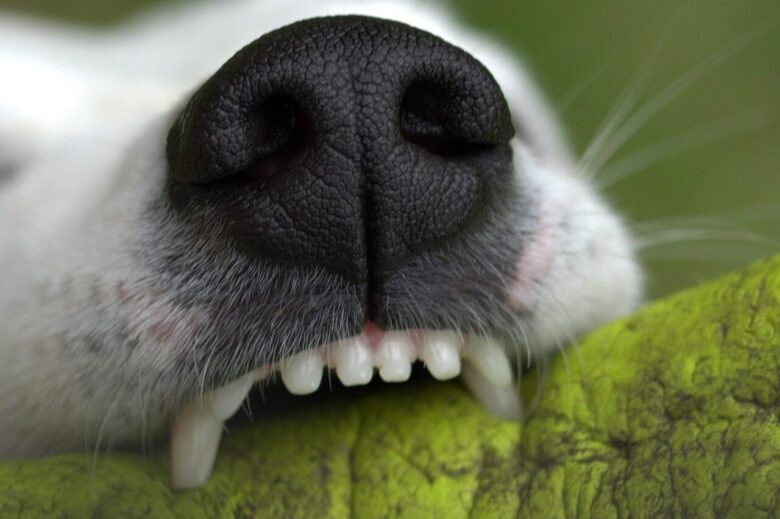
Learning how to clean your dog’s teeth without stress or resistance can make daily care easier for both you and your pet. Many dogs do not naturally enjoy having their mouth handled, especially if they were never introduced to brushing slowly. The good news is that tooth cleaning does not need to become a fight, a chase around the house, or a moment your dog learns to fear.
The key is to treat dental care as training, not as a task to force. When a dog resists, the problem is often not the toothbrush itself. It may be the sudden mouth handling, the strange taste of toothpaste, the pressure on sensitive gums, or the feeling of being trapped. A calm approach helps your dog understand that the routine is safe and predictable.
Dental care matters because plaque can build up along the gumline and contribute to bad breath, gum irritation, discomfort, and more serious oral problems over time. According to AAHA dental care guidance, many dogs and cats already have some level of periodontal disease by three years of age, and untreated oral disease can affect comfort and quality of life.
This guide explains how to introduce tooth cleaning step by step, what tools are safest for beginners, how to read your dog’s body language, and what to do if brushing is not possible yet. The goal is not perfection on the first day. The goal is to create a routine your dog can accept without fear.
For many owners, the most useful change is slowing down. A dog that refuses a toothbrush today may accept finger handling, flavored pet toothpaste, or a soft dental wipe first. Once the routine feels familiar, brushing becomes much easier to build.
Important safety note: this article is for educational purposes and does not replace veterinary care. If your dog has bleeding gums, loose teeth, swelling, strong mouth odor, visible pain, broken teeth, or difficulty eating, speak with a veterinarian before starting home tooth cleaning.
Why Dogs Resist Tooth Cleaning in the First Place
Resistance usually happens because the dog feels surprised, restrained, uncomfortable, or confused. Many owners begin by opening the dog’s mouth, pushing in a toothbrush, and trying to finish quickly. From the dog’s point of view, that can feel invasive. Even a gentle dog may pull away, turn the head, clamp the mouth, lick nonstop, or leave the room.
In practice, the biggest mistake is starting with brushing before the dog accepts mouth handling. Before a toothbrush ever touches the teeth, your dog should be comfortable with your hand near the muzzle, your fingers lifting the lips, and a short touch along the outside of the teeth. This foundation is what reduces stress later.
Some dogs resist because they already have oral discomfort. If brushing suddenly causes a strong reaction, do not assume the dog is being stubborn. Pain, gum inflammation, cracked teeth, or tartar near the gumline can make contact unpleasant. In those cases, a veterinary exam is safer than continuing to push the routine at home.
| Dog’s reaction | Possible reason | Better next step |
|---|---|---|
| Turns the head away | The session is moving too fast | Return to lip lifting and reward calm behavior |
| Clamps the mouth shut | The dog feels pressured or trapped | Stop opening the mouth and focus on outside surfaces only |
| Licks constantly | The toothpaste flavor or texture is distracting | Use a smaller amount and let the dog taste it first |
| Growls, snaps, or hides | Fear, pain, or past negative handling | Pause home brushing and ask a veterinarian or trainer for guidance |
| Pulls away only on one side | Possible soreness or dental problem | Schedule a dental check before continuing on that side |
Build a Calm Foundation Before Using a Toothbrush
The easiest way to clean your dog’s teeth without stress is to separate the process into tiny steps. A dog does not need to accept full brushing immediately. First, your dog needs to learn that mouth handling predicts something pleasant, such as praise, a calm voice, a short break, or a small reward approved for your dog’s diet.
Start at a time when your dog is already relaxed. After a walk, after a meal break, or during a quiet evening can work better than a busy moment when the dog is excited. Sit beside your dog instead of leaning over the body. This position feels less threatening and gives your dog more room to stay calm.
Keep the first sessions extremely short. A few seconds of success are more useful than one long session that ends with resistance. If your dog lets you touch the muzzle calmly, reward and stop. Ending before the dog struggles teaches that cooperation makes the routine brief and safe.
- Choose a quiet place without other pets competing for attention.
- Keep your posture relaxed and avoid holding your dog tightly.
- Touch the muzzle for one or two seconds, then reward calm behavior.
- Lift only the lip at first instead of opening the whole mouth.
- Stop the session while your dog is still calm.
- Repeat daily until mouth handling feels normal.
Choose Dog-Safe Tools That Make Cleaning Easier
The right tool can reduce resistance, but the tool should match your dog’s comfort level. A small soft toothbrush may work for a relaxed dog, while a finger brush, gauze, or dental wipe may be easier for a beginner. The tool should feel gentle, fit the dog’s mouth size, and allow you to reach the outside surfaces of the teeth without forcing the mouth open.
Use toothpaste made for dogs, not human toothpaste. Dogs swallow toothpaste instead of rinsing and spitting, so human formulas are not appropriate for them. Pet toothpaste also comes in flavors that may make the routine feel more like a reward than a medical task.
Dental chews, oral rinses, wipes, gels, and water additives can support oral care, but they should be chosen carefully. The Veterinary Oral Health Council lists products that have earned its Seal of Acceptance, which can help owners choose products with evidence behind their plaque or tartar claims.
| Tool | Best use | Important caution |
|---|---|---|
| Dog toothbrush | Daily brushing once the dog accepts mouth handling | Choose a size that fits comfortably and avoid hard pressure |
| Finger brush | Transition step for dogs nervous around toothbrushes | Do not use if the dog may bite from fear or pain |
| Gauze or soft cloth | Very early training and gentle gumline contact | Use light pressure and discard after use |
| Dental wipe | Dogs that accept touch but not brushing yet | Helpful, but may not clean as deeply as brushing |
| Dental chew | Extra support between brushing sessions | Match the size to the dog and avoid very hard chews |
| Water additive or oral gel | Support option when brushing is still being trained | Check ingredients and ask your vet if your dog has health issues |
How to Clean Your Dog’s Teeth Without Stress Step by Step
The best routine is gradual. You are not only cleaning teeth; you are teaching your dog to accept a new kind of handling. Move to the next step only when the current step feels easy. If your dog resists, go back one step instead of pushing through.
-
Start with calm muzzle touches.
Touch the side of your dog’s muzzle for one or two seconds, then reward calm behavior. This teaches that your hand near the mouth is not a threat. Avoid grabbing the snout, because restraint can create resistance.
-
Lift the lip without opening the mouth.
Gently lift the upper lip just enough to see the outside teeth. Most brushing focuses on the outer surfaces, so you do not need to force the jaw open. Stop before your dog pulls away.
-
Let your dog taste pet toothpaste.
Place a tiny amount of dog toothpaste on your finger and let your dog lick it. This creates a positive association. If your dog dislikes the flavor, try a different dog-safe flavor instead of forcing it.
-
Rub the outside teeth with your finger or gauze.
Use a soft finger motion along the outside of the canine teeth and cheek teeth. Keep it brief. The goal is not full cleaning yet; the goal is teaching your dog that tooth contact is safe.
-
Introduce the brush without brushing.
Let your dog sniff the brush and lick a little toothpaste from it. Touch the brush to one tooth, reward, and stop. This prevents the toothbrush from becoming a scary object.
-
Brush a few teeth at the gumline.
Use small, gentle motions along the outside gumline. Focus on comfort more than coverage. If your dog stays calm for only five seconds, that is still progress.
-
Gradually extend the session.
Add a few more teeth over several days or weeks. Work toward brushing the outer surfaces on both sides, especially the larger cheek teeth where plaque often collects.
-
End with a predictable reward.
Finish with praise, a short play session, or another reward your dog enjoys. A consistent ending helps your dog understand that brushing has a clear finish and does not last forever.
What to Do If Your Dog Still Refuses the Toothbrush
If your dog refuses the toothbrush, do not treat it as failure. It simply means the toothbrush is too advanced for the current stage. Many dogs need a transition tool before they accept brushing. A soft cloth, dental wipe, or finger application of toothpaste can keep the habit moving while you continue training.
Resistance often gets worse when owners repeat the same unsuccessful attempt every day. If your dog runs away when the toothbrush appears, hide the toothbrush for a few sessions and rebuild the routine from the beginning. Let your dog succeed with lip lifting and toothpaste tasting before bringing the brush back.
For nervous dogs, the best progress may be measured in seconds. A calm five-second session every day can be more effective than a stressful one-minute struggle once a week. The dog learns from the emotional tone of the routine, not only from the cleaning itself.
| Problem | What not to do | Better approach |
|---|---|---|
| The dog runs away when seeing the brush | Chase the dog or brush anyway | Leave the brush nearby during calm moments and reward curiosity |
| The dog accepts toothpaste but not brushing | Force longer brushing | Use gauze first, then reintroduce the brush gradually |
| The dog chews the brush | Pull the brush sharply away | Use a shorter session and reward stillness before contact |
| The dog becomes mouthy or excited | Turn brushing into a game | Wait for a calmer time and use slower movements |
| The dog growls or snaps | Continue to prove control | Stop and seek professional advice before trying again |
Use Dental Chews and Add-On Products the Right Way
Dental chews and oral care products can be helpful, especially while your dog is still learning to accept brushing. They may reduce buildup, freshen breath, or support a cleaner mouth between brushing sessions. However, they should not be seen as a complete replacement for veterinary dental care or proper brushing when brushing is possible.
The safest way to choose these products is to look for credible evaluation rather than relying only on packaging claims. The VOHC accepted products list includes dog dental diets, chews, toothpastes, wipes, water additives, and other products that have earned its Seal of Acceptance. This does not mean every product is right for every dog, but it gives owners a stronger starting point.
Chew safety matters. A product that is too hard may risk tooth damage, while a product that is too small may become a choking concern. Always choose the correct size for your dog, supervise chewing, and ask your veterinarian before using dental products if your dog has allergies, digestive problems, kidney disease, a restricted diet, or a history of swallowing treats whole.
- Choose dental products sized for your dog’s weight and chewing style.
- Check whether the product has evidence-based dental claims, such as VOHC acceptance.
- Supervise your dog when giving chews, especially at the beginning.
- Avoid very hard objects that do not bend or indent under pressure.
- Count dental treats as part of your dog’s daily calorie intake.
- Stop using a product if it causes vomiting, diarrhea, choking, or gum irritation.
Common Mistakes That Make Tooth Cleaning More Stressful
One common mistake is trying to clean the whole mouth on the first day. This usually teaches the dog that brushing is overwhelming. A better goal is one calm touch, one lifted lip, or one brushed tooth. Small wins build the routine faster than forced completion.
Another mistake is opening the mouth too wide. For many dogs, the outside surfaces are the most practical place to start. Lifting the lip is usually less stressful than forcing the jaw open. Once your dog trusts the routine, you can ask your veterinarian whether deeper home cleaning is needed for your dog’s specific mouth.
Owners also create resistance by brushing only when bad breath appears. Dental care works best as a regular habit, not as an emergency response. If your dog only sees the toothbrush when there is already discomfort or heavy buildup, the routine may feel unpleasant from the beginning.
| Mistake | Why it causes resistance | Correct habit |
|---|---|---|
| Holding the dog tightly | The dog feels trapped | Use gentle positioning and short sessions |
| Using human toothpaste | Dogs swallow toothpaste and human formulas are not made for them | Use toothpaste made specifically for dogs |
| Brushing with too much pressure | The gums may feel sore | Use soft circular motions and light contact |
| Starting during excitement | The dog cannot focus calmly | Choose a quiet moment after exercise or rest |
| Ignoring signs of pain | The dog may associate brushing with discomfort | Stop and schedule a veterinary exam |
When Bad Breath or Resistance Means You Should Call a Vet
Bad breath is common, but strong or worsening odor can be a sign that the problem is beyond simple home cleaning. Red gums, bleeding, drooling, pawing at the mouth, loose teeth, swelling, chewing on one side, dropping food, or refusing hard food should be checked by a veterinarian. Home brushing should not be used to “scrub away” a painful problem.
Dental disease can hide below the gumline. AVDC owner resources explain that dental radiographs can help diagnose problems hidden below the gumline, including infected teeth and bone loss. This is one reason professional dental evaluation may be necessary even when the visible teeth do not look severe.
A veterinary dental specialist may be helpful for advanced cases, difficult extractions, fractured teeth, oral masses, jaw trauma, or situations where a dog has other health conditions that make anesthesia planning more complex. Your primary veterinarian can guide you on whether referral is appropriate.
- Book a veterinary check if your dog shows pain when the mouth is touched.
- Do not brush over bleeding, swollen, or visibly injured areas.
- Ask about professional cleaning if tartar is thick near the gumline.
- Ask whether dental radiographs are needed for hidden problems.
- Seek urgent advice for facial swelling, broken teeth, pus, or sudden refusal to eat.
- Discuss anesthesia concerns with your veterinarian instead of choosing unsafe shortcuts.
How to Make Dental Care a Routine Your Dog Accepts
The most successful routine is predictable. Dogs learn faster when the same steps happen in the same order: quiet location, gentle lip lift, short brushing, reward, and finish. Predictability reduces anxiety because your dog understands what is coming next.
Attach brushing to a daily habit you already have. For example, you might clean your dog’s teeth after the evening walk or before bedtime. The routine does not need to be long. Consistency matters more than a perfect session every time.
If you miss a day, simply restart the next day without turning it into a bigger session. Trying to “make up” for missed brushing with extra pressure or longer cleaning can bring resistance back. Dental care should feel normal, not like punishment.
| Routine style | Best for | How to keep it low stress |
|---|---|---|
| Daily micro-session | Dogs still learning | Brush only a few teeth and end calmly |
| Daily full brushing | Dogs comfortable with handling | Use gentle pressure and keep the order predictable |
| Brushing plus dental chew | Dogs with higher plaque risk | Use chews as support, not as a reason to skip brushing |
| Wipes while training | Dogs refusing brushes | Use as a bridge while rebuilding trust |
Conclusion
Cleaning your dog’s teeth without stress or resistance starts with patience, not force. The routine becomes easier when your dog first accepts muzzle touch, lip lifting, toothpaste tasting, and gentle contact before you expect full brushing.
The safest approach is to use dog-safe tools, keep sessions short, focus on the outside gumline, and build the habit gradually. Dental chews, wipes, and VOHC-accepted products can support the routine, but they should not replace veterinary advice when your dog shows pain, bleeding, swelling, or serious odor.
If your goal is to clean your dog’s teeth without stress or resistance, the next step is simple: begin with one calm mouth-handling session today and stop before your dog struggles. If you notice signs of oral disease or your dog reacts as if brushing hurts, schedule a veterinary dental exam before continuing.
FAQ
1. How often should I clean my dog’s teeth?
Daily brushing is usually the best goal, but many dogs need time before they can accept that routine calmly. If your dog is new to tooth cleaning, start with daily training sessions that last only a few seconds. At first, this may mean touching the muzzle, lifting the lip, or rubbing one tooth with gauze. Once your dog accepts the process, gradually work toward brushing more teeth. If daily brushing is not realistic yet, ask your veterinarian about a practical plan using brushing, dental chews, wipes, or other safe products.
2. Can I use human toothpaste on my dog?
No. Human toothpaste is not designed for dogs because dogs swallow toothpaste instead of rinsing and spitting. Some human oral care ingredients can be unsuitable or unsafe for pets, and the flavor may also make dogs resist brushing more. Use toothpaste made specifically for dogs. Pet toothpaste is formulated for swallowing in small amounts and often comes in flavors that dogs may accept more easily. If your dog dislikes one flavor, try another dog-safe option rather than forcing the same product every day.
3. What if my dog bites the toothbrush?
If your dog bites the toothbrush, the routine is probably moving too fast or your dog thinks the brush is a chew toy. Do not pull the brush sharply, because that can make the game more exciting or create tension. Instead, pause and return to easier steps. Let your dog lick toothpaste from the brush without brushing, then reward calm stillness. You can also use gauze or a dental wipe for a while. Once your dog can stay relaxed, reintroduce the brush for one tooth at a time.
4. Do I need to open my dog’s mouth to brush properly?
Not at the beginning. For many dogs, opening the mouth creates more resistance than simply lifting the lips. A practical starting point is to clean the outside surfaces of the teeth, especially along the gumline. This allows you to build cooperation without forcing the jaw open. As your dog becomes more comfortable, your veterinarian can show you whether your dog needs a more complete home technique. If your dog reacts strongly when the mouth is opened, do not force it, especially if pain is possible.
5. Why does my dog run away when I bring out the toothbrush?
Your dog may have learned that the toothbrush predicts an uncomfortable experience. This can happen after only a few stressful sessions. To fix it, stop chasing or cornering your dog with the brush. Leave the toothbrush nearby during calm moments, reward your dog for sniffing it, and rebuild the routine from the beginning. Practice muzzle touches, lip lifts, and toothpaste tasting before brushing again. The goal is to change the meaning of the toothbrush from a warning sign into a normal part of a calm routine.
6. Are dental chews enough to replace brushing?
Dental chews can help support oral care, but they should not be treated as a full replacement for brushing or veterinary dental care. Chews mainly work through chewing action and product design, while brushing lets you directly clean along the gumline. If your dog refuses brushing, dental chews may be useful while you continue training, especially if you choose products with credible dental claims. Use the correct size, supervise chewing, and ask your veterinarian which products fit your dog’s age, weight, diet, and dental condition.
7. What should I do if my dog’s gums bleed during brushing?
Stop brushing and check the situation calmly. Mild bleeding can sometimes happen when gums are irritated, but bleeding should not be ignored or treated as normal. Do not scrub harder to remove buildup. If bleeding repeats, if the gums look red or swollen, or if your dog seems painful, schedule a veterinary exam. Dental disease can exist below the gumline, and home brushing may not solve it. Your veterinarian can check whether your dog needs professional cleaning, dental radiographs, or treatment before you continue brushing.
8. Is bad breath normal for dogs?
A little odor after eating may happen, but strong, persistent, or worsening bad breath is not something to ignore. It can be related to plaque, tartar, gum inflammation, infected teeth, or other health issues. If bad breath comes with drooling, red gums, pawing at the mouth, loose teeth, swelling, or changes in eating, your dog should be examined by a veterinarian. Brushing may improve mild odor over time, but it should not be used as the only response when signs suggest pain or infection.
9. What is the easiest tool for a beginner dog?
For many beginner dogs, gauze wrapped around a finger or a soft dental wipe is easier than a toothbrush. These tools feel less strange and allow you to introduce tooth contact gradually. A finger brush can also work, but it may not be safe if your dog is nervous enough to bite. Once your dog accepts gentle rubbing along the outside teeth, you can introduce a small soft dog toothbrush. The easiest tool is the one your dog accepts calmly while still allowing gentle cleaning near the gumline.
10. Should I brush before or after my dog eats?
Choose the time when your dog is calmest, because cooperation matters more than the exact schedule. Some dogs do better after a walk, when they are relaxed. Others do better before bedtime, when the house is quiet. Avoid brushing immediately after intense play, when your dog is too excited to stay still. Also avoid starting when your dog is guarding food or waiting impatiently for a meal. A predictable daily time helps your dog understand the routine and reduces resistance over time.
11. How long does it take for a dog to accept tooth brushing?
It depends on the dog’s temperament, past handling experiences, age, and whether there is any oral discomfort. Some dogs accept brushing within a few days, while others need weeks of gradual training. Dogs that already fear mouth handling should move more slowly. Progress may start with simply touching the muzzle or lifting the lip. Do not measure success only by full brushing. If your dog is calmer than last week and allows one extra step without stress, the routine is moving in the right direction.
12. When should I ask a veterinary dentist for help?
Start with your primary veterinarian, who can check your dog’s mouth and advise whether a specialist is needed. A veterinary dental specialist may be helpful for fractured teeth, difficult extractions, oral masses, severe periodontal disease, jaw injuries, advanced imaging, or dogs with health conditions that make dental procedures more complex. You should also ask for help if your dog reacts as if brushing is painful. A training problem can often improve at home, but pain, infection, or hidden dental disease needs professional evaluation.
Editorial note: this article is educational and is not a substitute for a veterinary dental exam. Dogs with pain, bleeding, swelling, loose teeth, broken teeth, or sudden changes in eating should be evaluated by a veterinarian before home brushing continues.
Official References
- American Animal Hospital Association — 2019 AAHA Dental Care Guidelines for Dogs and Cats
- Veterinary Oral Health Council — VOHC Accepted Products
- American Veterinary Dental College — Animal Owner Resources
The PinupGeek Editorial Team creates practical, safety-conscious pet care and training guides for everyday dog and cat owners. Our content is educational and is not a substitute for diagnosis or treatment by a qualified veterinarian.